
A motorcycle gear venture built from scratch — from blank page to investor-ready brand. Strategy, business model, identity, and startup assets for the urban rider who refuses to choose between safety and style.
88.7% of motorcycle accidents result in extremity injuries, and 64.8% cause lacerations and abrasions — protection matters even at city speeds. The product that actually solved this didn't exist yet, at least not in Latin America.
The motorcycle gear market splits cleanly into two worlds: heavy technical gear built for touring, trail, and motocross — and streetwear that trades protection for aesthetics. Both miss the same rider. The one who commutes through the city every day, spends hours on the bike, and needs gear that works on and off it.
Current protective gear is built for moments of action, not for all-day life. The result is that most urban riders end up with two options: compromise on protection, or carry something they hate wearing.
"Every option on the market asks the rider to compromise. Crux started with a simpler question: what if they didn't have to?"
Most startups rush to the logo. We went the other direction. Before Crux had a visual identity, it had a business model, a financial structure, a validated product concept, and a clear path to market.
The brand came after — because a brand without a foundation is decoration.
Deep research into the global motorcycle apparel market and its key segments. Validated the product gap for reinforced riding shirts — a category being left nearly untouched by major players in Latin America, despite the region's growing rider base.
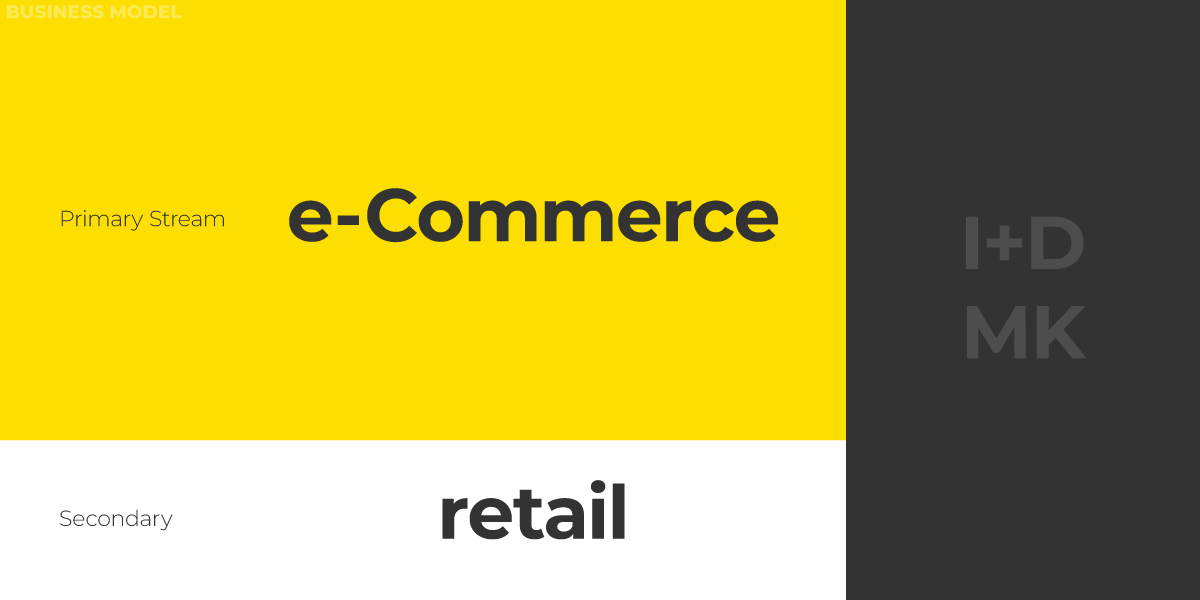
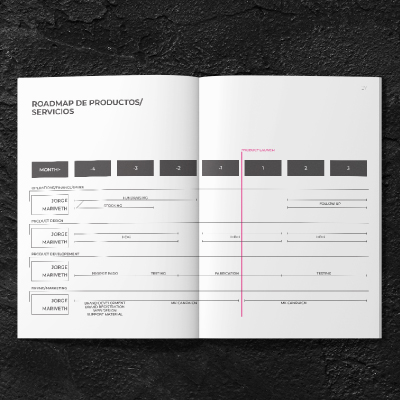
Defined the venture model — e-commerce primary, retail secondary — with an international-first go-to-market strategy targeting Ecuador, South America, and the US from year one. International expansion planned for month seven of operations.
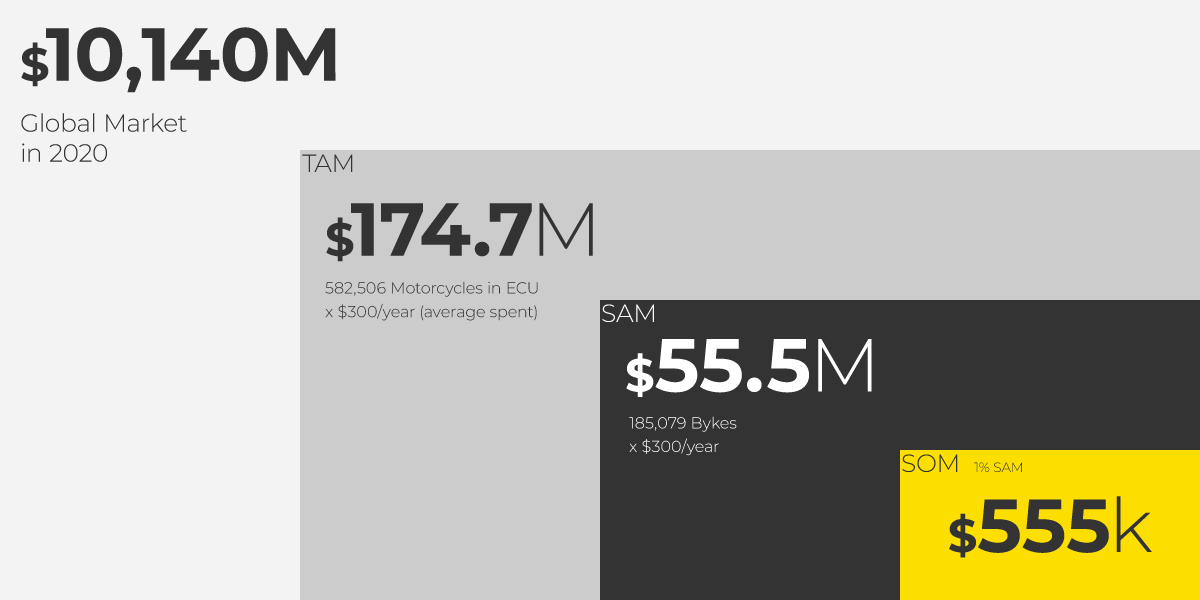
Built full cost models, pricing strategy, and three-year financial projections. Defined the path to profitability, investment requirements, and the unit economics that make the venture viable from the start.
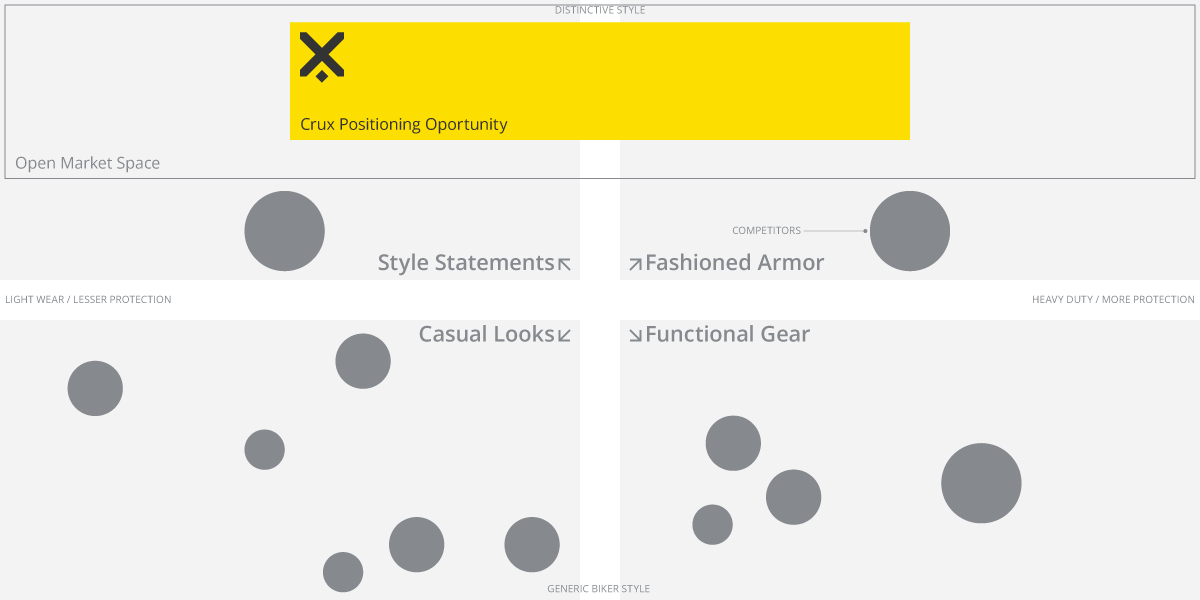
Positioned in the unique style + high protection quadrant — territory no competitor currently owns. Community-first marketing approach built around content that educates and connects, not just promotes.
Tone: Urban, passionate, direct.
A brand that rides alongside its people, not above them.
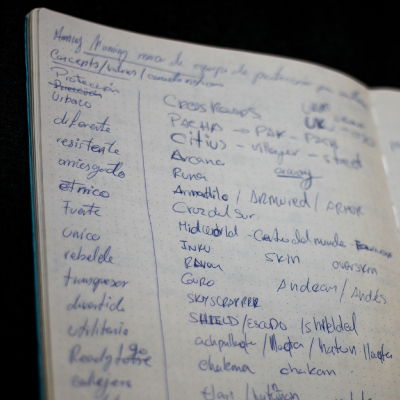
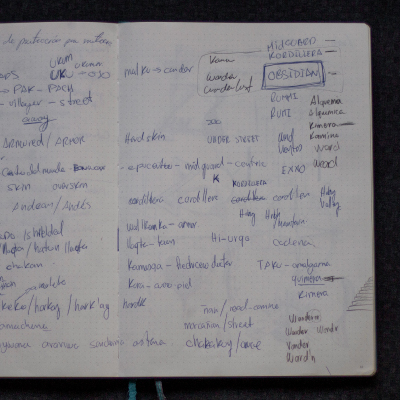
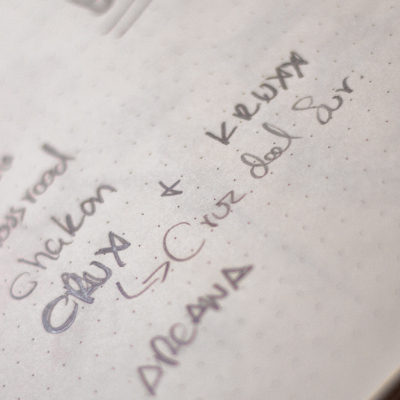
The name needed to carry South American roots while traveling internationally — short, sharp, and easy to say in any language. Research into Kichwa, the indigenous language of Ecuador, led to the Southern Cross constellation (Cruz del Sur), a shared symbol across South American cultures. CRUX was the natural landing: rooted in origin, built for the world.
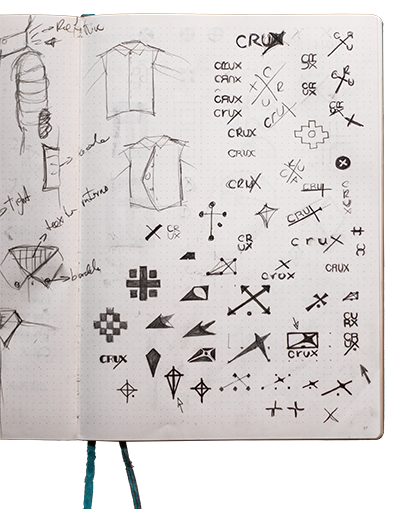
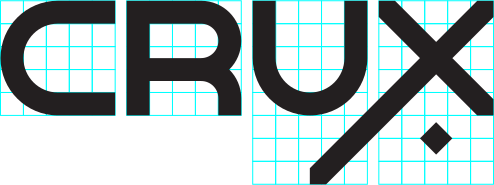
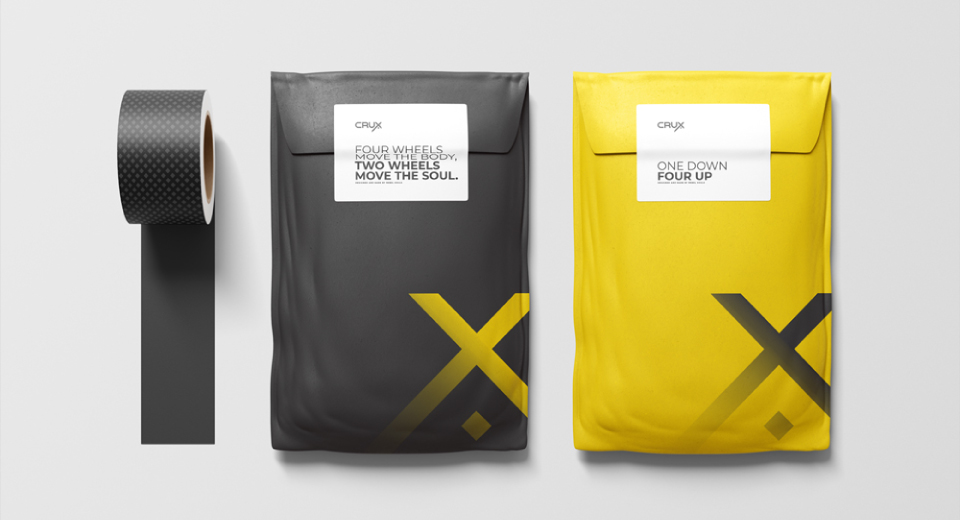
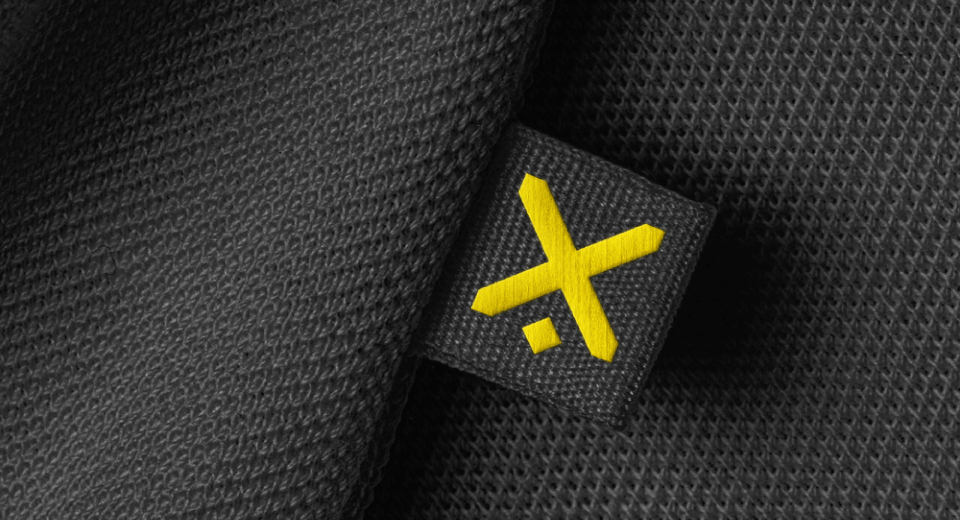
The logo pulls directly from the Southern Cross star formation. The constellation's geometry was used to build a construction grid, which drove the proportions of the letterforms and the brand's signature X mark. Black and electric yellow. The system extended across a full style guide, collateral, illustration style, packaging, and product applications.





Brand and business complete, the work shifted into product. This is where the founder's background as a rider becomes the most useful research tool available — because you can't design gear you haven't worn, or tested, or hated at 7am in traffic.
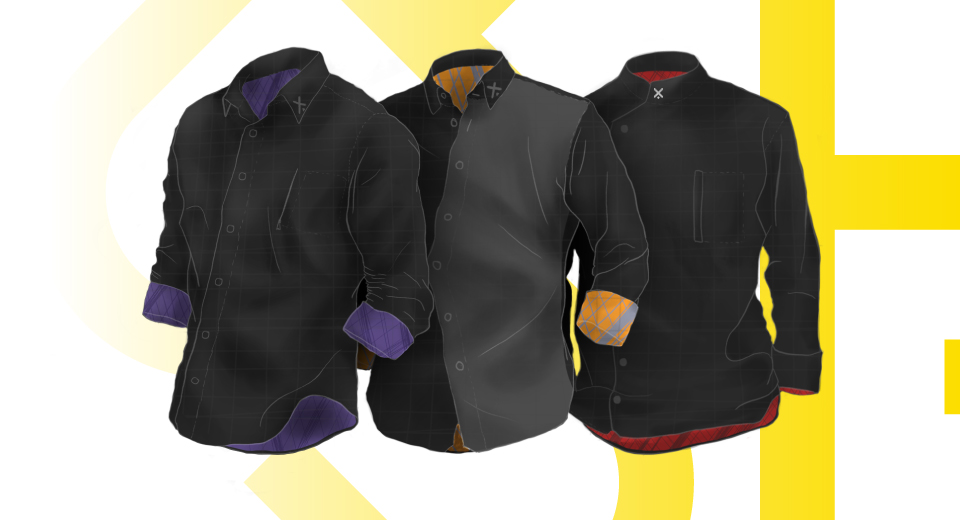
The current phase is hands-on: researching protective materials and textile technologies, studying construction techniques used across the global gear industry, exploring how protection is engineered into garments that don't feel like armor, and developing the first physical prototypes. The goal is a reinforced riding shirt that earns its place on the rack — not by being the safest option, but by being the one riders actually reach for every morning.




Crux has what most startups spend years trying to build: a validated concept, a clear business case, and a brand strong enough to enter any market. The foundation is set. The product is being built to meet it.
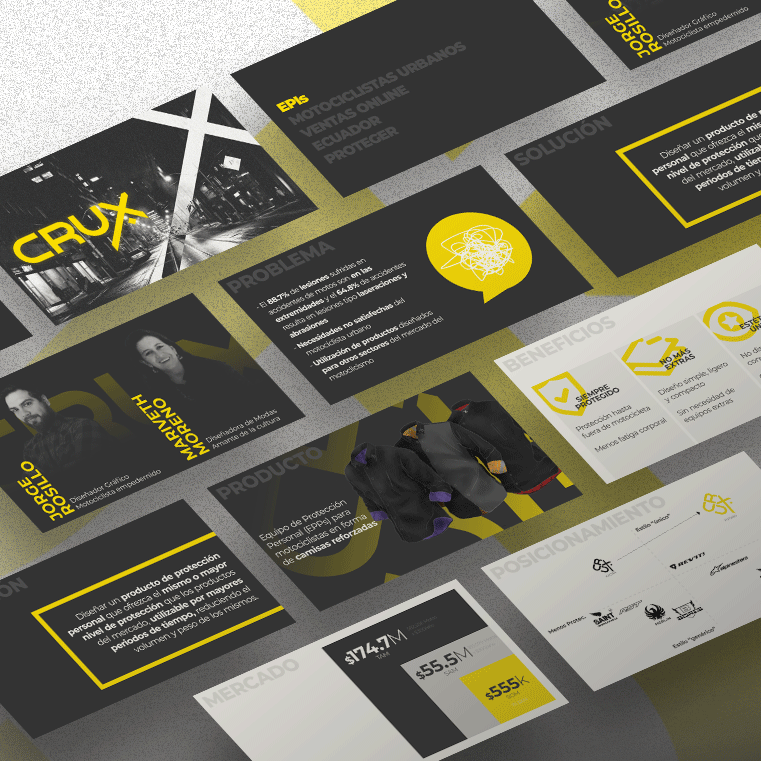
Produced the full suite: pitch deck, business plan, style guide, ID system, collateral, and illustration style — everything needed to take Crux into investor conversations and build the team around it.
"Crux doesn't choose between lifestyle and protection. It's built at the intersection of both — sustainable by design, growing on rider demand."
